





Shelf Life & Expiration of Trichloroacetic Acid
Trichloroacetic acid is a highly hygroscopic, deliquescent crystalline solid, and that single property governs nearly everything about how it ages. Unlike chemicals that break down through oxidation or thermal decomposition, TCA's primary threat is moisture. Left exposed to humid air, it absorbs water and begins to liquefy rather than undergo a slow chemical transformation, which means container integrity matters as much as the chemical's inherent stability.
Shelf life for this product depends on three interacting factors: how tightly it is sealed, what form it takes, and how it is stored. Solid TCA holds up well under normal conditions as long as moisture is kept out, while aqueous TCA solutions, common in chemical peel and laboratory work, follow a different timeline. Solutions lose potency and darken with prolonged exposure to heat and light, so refrigeration and opaque packaging extend their usable life considerably compared to room-temperature storage in clear containers.
Because TCA solutions are used at specific concentrations for dosing-sensitive applications like chemical peels, even modest degradation can affect outcomes. Users working with diluted TCA should treat concentration accuracy, not just visual appearance, as a key indicator of whether the product is still fit for use.


This article covers:
- How Long Does Trichloroacetic Acid Last?
- Signs That Trichloroacetic Acid Has Expired
- What to Do If Trichloroacetic Acid Has Expired
- Proper Storage Extends Shelf Life
How Long Does Trichloroacetic Acid Last?
Chemical Stability
Solid trichloroacetic acid is stable under normal conditions when kept in a tightly sealed container. The compound does not undergo significant chemical breakdown on its own; instead, its limiting factor is moisture absorption. Once exposed to humid air, the crystalline solid begins to take on water and softens or liquefies, a process that accelerates rapidly if the container is left open or poorly sealed.
Purity & Packaging
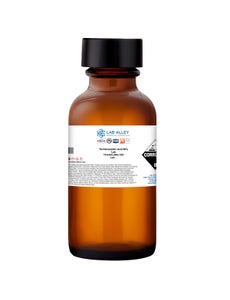
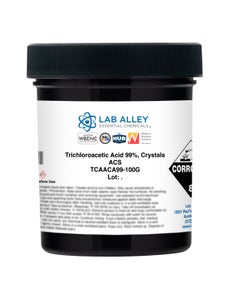
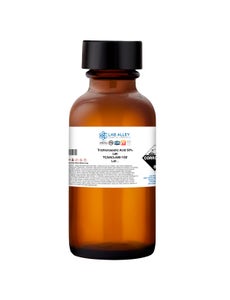
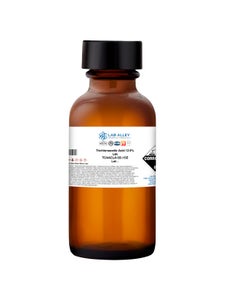
Glass containers or compatible plastics such as HDPE are preferred for storing TCA, since the original packaging is engineered to limit air and moisture exchange. Keeping the product in its original, tightly sealed container is one of the most effective ways to preserve purity, given how readily the compound reacts to ambient humidity. Transferring TCA to secondary containers increases the risk of moisture ingress and should be minimized.
Storage Conditions
Solid TCA should be kept in a cool, dry location away from sources of humidity. Aqueous solutions require more careful handling: refrigeration between 2°C and 8°C, combined with amber glass packaging, offers the best protection against both light exposure and temperature fluctuation. Solutions stored at room temperature in clear containers degrade faster and are more prone to color change and potency loss.


Signs That Trichloroacetic Acid Has Expired or Degraded
-
Color Change: Aqueous TCA solutions darken or turn brown as they age, a visible sign that the solution is degrading and may no longer perform as expected.
-
Precipitation or Crystallization: Solid TCA that has absorbed moisture tends to clump or liquefy rather than form new crystals. Clumping or a wet, sticky texture indicates the product has been exposed to humidity and should be inspected before use.
-
Concentration Changes: Solution potency can drift below its labeled strength over time, which directly affects dosing accuracy in applications like chemical peels or protein precipitation protocols.
-
Reduced Effectiveness: Solutions that have degraded or lost concentration will underperform in their intended use, whether that is achieving the expected peel depth or reliably precipitating protein in a lab assay.
What to Do If Trichloroacetic Acid Is Expired
Check Manufacturer Guidelines
Before discarding or replacing a batch, review the certificate of analysis and safety data sheet for any stated retest or expiration dating. Some suppliers offer extended retesting on request, which can confirm whether a batch remains within specification rather than assuming it must be replaced outright. Contact the supplier directly if this information is not included with the original documentation.
Follow Proper Disposal Procedures
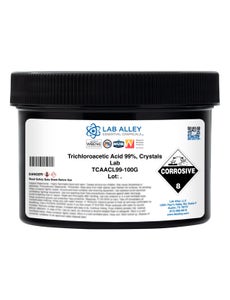
Trichloroacetic acid is classified as corrosive under Hazard Class 8 and assigned UN number 1839. Expired or degraded material should be neutralized before disposal and handled as hazardous waste in accordance with applicable local and federal regulations. Pouring TCA solutions down the drain without neutralization is not an acceptable disposal method.
Replace with Fresh Stock
For applications where concentration accuracy is critical, such as chemical peel procedures or analytical protein precipitation, fresh TCA ensures the product performs as intended. Using degraded stock in these contexts risks inconsistent or unpredictable results, making timely replacement the safer choice once expiration signs appear.
Proper Storage Extends Shelf Life
-
Container Requirements: Use tightly sealed glass or compatible plastic containers, and avoid reactive metals given the compound's corrosivity.
-
Temperature Control: Store in a cool location overall, with aqueous solutions lasting longest under refrigeration between 2°C and 8°C.
-
Light & Heat Protection: Keep TCA away from direct sunlight and heat sources; amber glass is recommended for solutions to limit light exposure.
-
Humidity Control: Given the compound's strong hygroscopic nature, keeping containers tightly closed at all times is essential to prevent moisture uptake.
-
Evaporation Prevention: Seal solutions tightly to prevent water loss, which can concentrate the remaining solution and throw off dosing accuracy.
Conclusion
Trichloroacetic acid's shelf life is defined less by chemical decomposition and more by its sensitivity to moisture, light, and temperature. The solid form remains stable almost indefinitely when properly sealed, while aqueous solutions require refrigeration and opaque packaging to preserve both potency and concentration accuracy over time.
Recognizing early signs of degradation, such as darkening color or clumping, allows users to address storage issues before the product becomes unreliable. For applications that depend on precise concentration, replacing degraded stock promptly is the more dependable path forward than attempting to extend the life of a compromised batch.
For more detailed guidance, explore our Resource Library for comprehensive storage and handling information.
Our Customer Care team is also available for more information and documentation, including chemical Safety Data Sheets.
Need Trichloroacetic Acid You Can Trust?
If you are looking for high-quality trichloroacetic acid for your lab, product line, or research facility, be sure to visit our store to explore our trusted selection and request a quote.
As your trusted partner in chemical supply, Lab Alley is always striving to meet the growing demands of our customers. We want you to be able to access all of your chemical needs in one place, along with streamlined online ordering and fast shipping.
Due to popular demand from our valued clientele, Lab Alley's trichloroacetic acid is available in a range of purities and packaging options to suit various commercial, laboratory, and personal needs.