


 512-668-9918
Resource Library


Recent

The 2026 Chemical Trends to Watch
The chemical industry is entering 2026 with major shifts in sourcing, sustainability, and technology. This blog explores four trends shaping the future: the resurgence of domestic supply, growing demand for transparency, sustainability becoming the standard, and automation transforming lab logistics. Each reflects how buyers and suppliers are rethinking efficiency, safety, and responsibility.
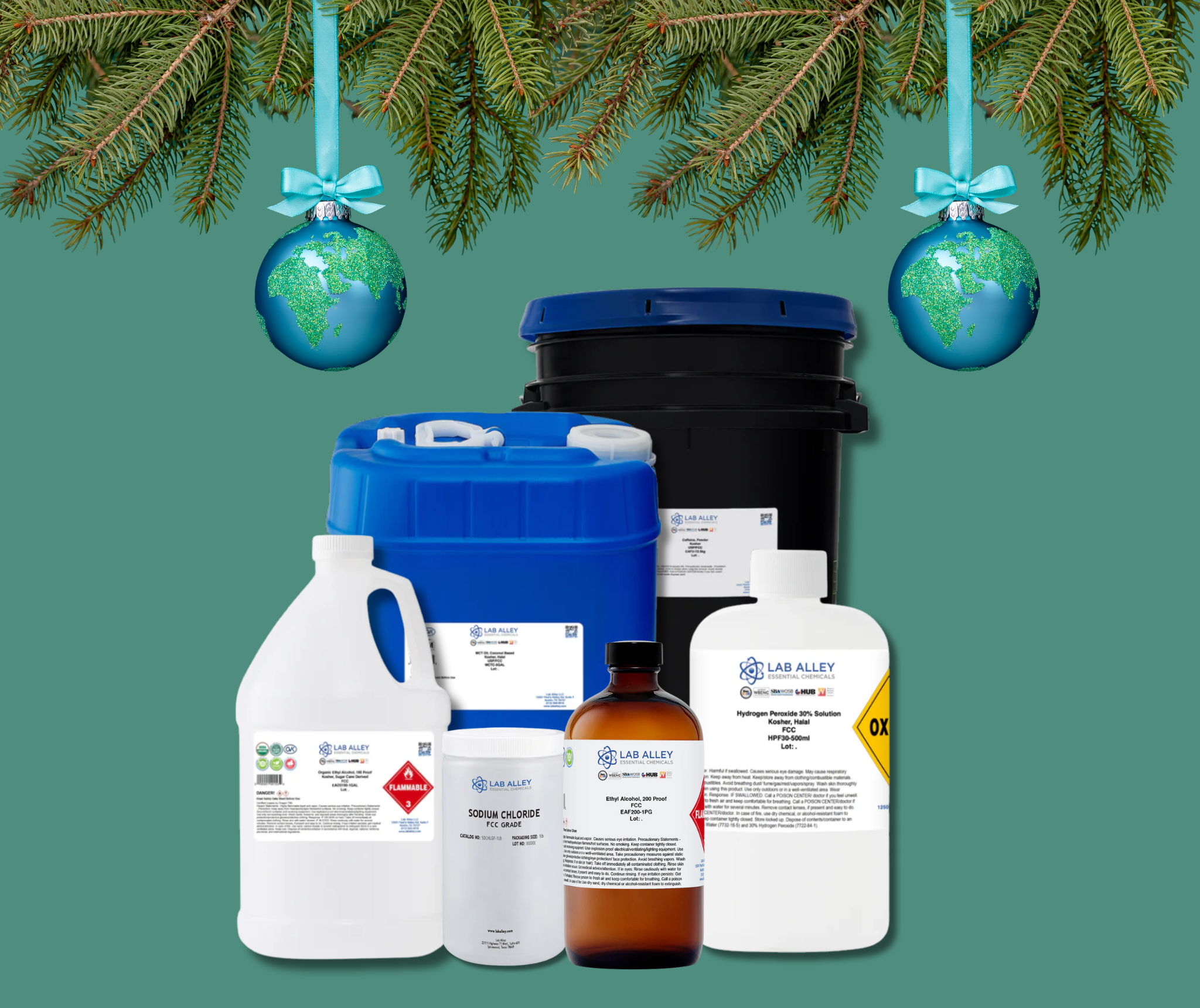
Shop Sustainable Chemicals for a Greener Christmas
The holidays are a perfect time to shop smarter and greener. This blog explains why sustainable chemicals matter, highlights Lab Alley’s eco-conscious initiatives, and offers ideas for responsible science gifts. From certified organic solvents to RSPO-certified glycerin and tree-planting partnerships, it shows how small choices make a big impact.
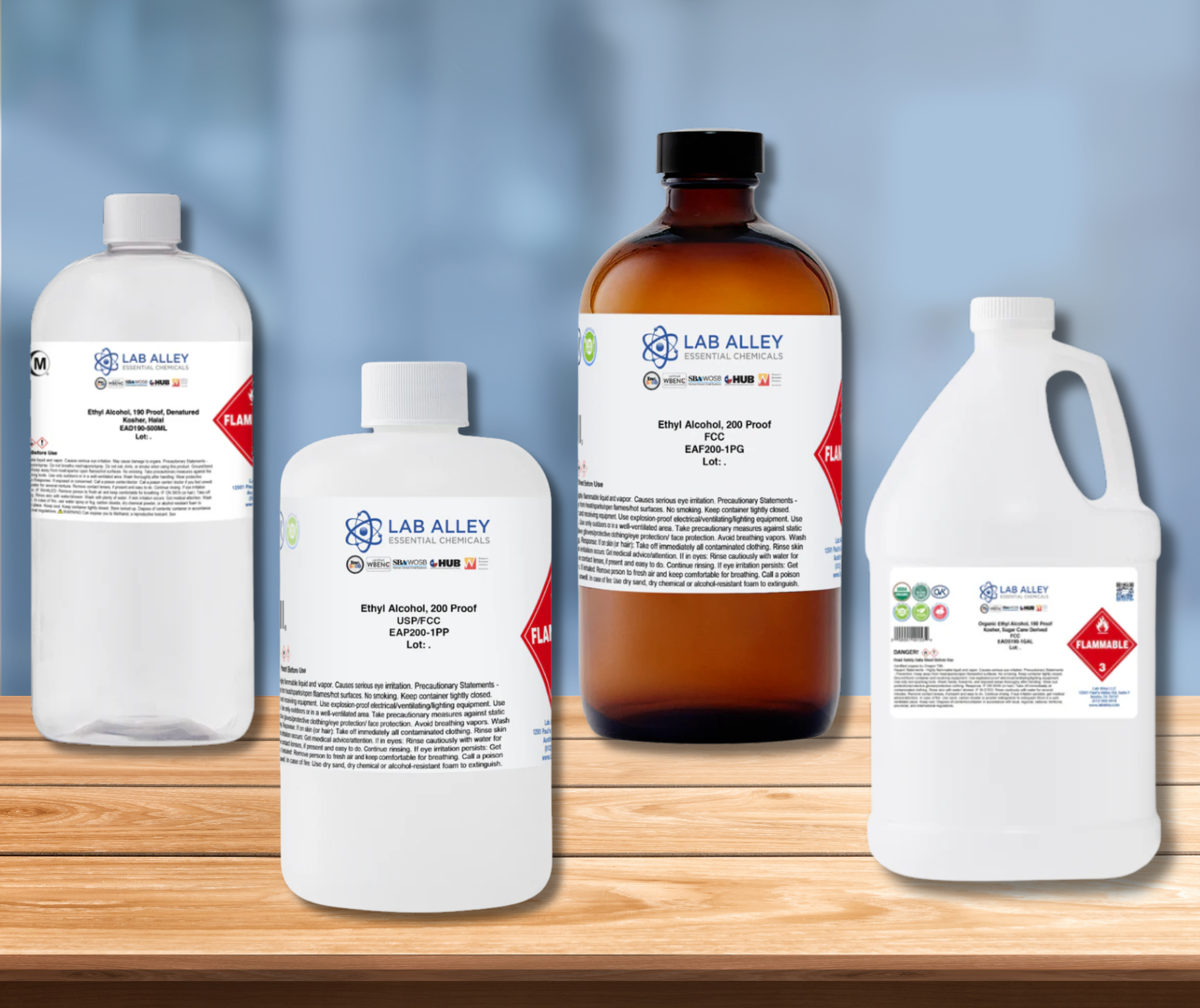
Debunking the Top 5 Ethanol Myths
Ethanol is widely used in labs, manufacturing, and extraction, but myths often cause confusion. This blog debunks five common misconceptions, including purity, proof, denaturing, and storage. With clear explanations, it highlights how different grades and concentrations impact performance, safety, and results.

The Science Behind Holiday Candles
Holiday candles blend science and nostalgia, using compounds like eugenol, D-limonene, and acetone to mimic scents of pumpkin pie, cookies, and pine. This blog explains how candle fragrances are layered, why they trigger memories, and how chemistry shapes the aromas we associate with the season.

Formaldehyde Safety & Hazards
Formaldehyde is a toxic, corrosive, and carcinogenic chemical used in industry and labs that requires strict safety controls. This guide explains its hazard classifications, exposure risks, health effects, and first aid measures, along with safe handling, storage, spill response, and regulatory compliance. Learn how to protect workers, facilities, and the environment when working with this high-risk compound.
Formaldehyde is a toxic, corrosive, and carcinogenic chemical used in industry and labs that requires strict safety controls. This guide explains its hazard classifications, exposure risks, health effects, and first aid measures, along with safe handling, storage, spill response, and regulatory compliance. Learn how to protect workers, facilities, and the environment when working with this high-risk compound.

Ferrous Sulfate Uses & Applications
Ferrous sulfate is one of the most versatile iron compounds, used in water treatment, agriculture, pharmaceuticals, construction, and research. This guide explains its roles as a coagulant, reducing agent, nutrient source, and chemical intermediate. Learn how it supports wastewater treatment, soil enrichment, iron supplementation, pigment production, and more, plus available grades and pack sizes from Lab Alley.
Ferrous sulfate is one of the most versatile iron compounds, used in water treatment, agriculture, pharmaceuticals, construction, and research. This guide explains its roles as a coagulant, reducing agent, nutrient source, and chemical intermediate. Learn how it supports wastewater treatment, soil enrichment, iron supplementation, pigment production, and more, plus available grades and pack sizes from Lab Alley.

Ferrous Sulfate Overview
Ferrous sulfate is a pale green crystalline iron salt used in medicine, agriculture, water treatment, and manufacturing. This guide covers its properties, solubility, reactivity, and key applications in supplements, fertilizers, and industrial processes. Learn essential safety protocols, storage requirements, and sourcing options, including USP, ACS, technical, and food grades with packaging sizes from lab containers to bulk shipments.
Ferrous sulfate is a pale green crystalline iron salt used in medicine, agriculture, water treatment, and manufacturing. This guide covers its properties, solubility, reactivity, and key applications in supplements, fertilizers, and industrial processes. Learn essential safety protocols, storage requirements, and sourcing options, including USP, ACS, technical, and food grades with packaging sizes from lab containers to bulk shipments.

Formaldehyde Shelf Life & Expiration
Formaldehyde typically lasts 12-24 months when stored in sealed containers under controlled conditions. Over time, it degrades through oxidation or polymerization, which can reduce effectiveness and create safety concerns. This guide explains formaldehyde’s shelf life, key signs of expiration, proper disposal procedures, and best practices for storage to help ensure safe and reliable use in labs, industry, and preservation work.
Formaldehyde typically lasts 12-24 months when stored in sealed containers under controlled conditions. Over time, it degrades through oxidation or polymerization, which can reduce effectiveness and create safety concerns. This guide explains formaldehyde’s shelf life, key signs of expiration, proper disposal procedures, and best practices for storage to help ensure safe and reliable use in labs, industry, and preservation work.



STAY UP TO DATE
Subscribe to Lab Alley Blog for the latest Essential Chemicals news.
Top Blog Categories


Customer Stories
Real reviews from real customers.

Industries
Find chemicals for your industry.

Product Categories
Real reviews from real customers.

Product Specs
Product Specification Sheets for essential chemicals.

SDS
Printable chemical material Safety Data Sheet PDFs.

COA
Printable Certificates of Analysis in PDF format.