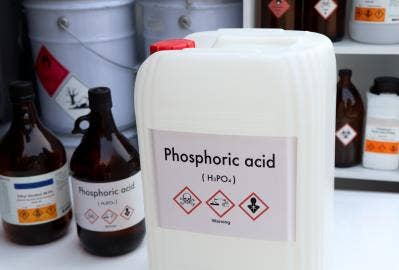






How to Store Phosphoric Acid
Phosphoric acid (H₃PO₄) is a dense, corrosive mineral acid used widely across industrial, food, and pharmaceutical applications. It is supplied at concentrations ranging from dilute aqueous solutions to 85% or higher, with each concentration carrying distinct handling considerations. Its corrosive strength, reactivity with common metals and bases, and hygroscopic nature mean that storage decisions directly affect worker safety, regulatory standing, and the chemical's usable shelf life.
Because phosphoric acid reacts readily with certain metals to release flammable hydrogen gas, and because its physical state shifts with concentration and temperature, storage protocols must account for more than just container selection. Facilities handling food-grade or pharmaceutical-grade material face additional documentation requirements layered on top of standard OSHA and GHS obligations.


In this article we'll review:
-
Recommended Storage Conditions
-
Container & Packaging Requirements
-
Segregation & Compatibility
-
Safe Handling in Storage Areas
-
Regulatory Compliance & Labeling
-
Environmental & Safety Considerations
-
Special Considerations
Recommended Storage Conditions
Temperature
Phosphoric acid should be stored between 50°F and 77°F (10°C to 25°C) to maintain product stability and ease of handling. Concentrated 85% solutions can begin to freeze near 21°C (70°F), so storage areas that run cold risk solidification. Elevated temperatures, conversely, increase the acid's corrosive activity and raise vapor pressure, both of which compound handling risk.
Humidity Control
This acid is hygroscopic, meaning it readily absorbs moisture from the surrounding air. Containers must remain tightly sealed at all times to prevent unintended dilution, which can alter concentration and affect downstream use. Any exposure to open air, even briefly, introduces variability that quality control teams should monitor.
Light Exposure
Phosphoric acid does not exhibit meaningful UV sensitivity, so opaque containers are not required for photostability purposes. Indirect lighting is still preferable in storage areas, primarily to reduce temperature swings rather than to protect the chemical itself. Direct sunlight on storage tanks or drums can contribute to localized heating that affects the conditions described above.
Ventilation
Storage areas require adequate ventilation, since phosphoric acid mist or vapor can irritate the respiratory tract, particularly at elevated temperatures. Concentrated grades benefit from local exhaust ventilation to keep airborne acid concentrations low. Poorly ventilated storage rooms allow vapor to accumulate, increasing exposure risk for anyone entering the space.
Storage Duration
Properly sealed phosphoric acid remains commercially stable for one to two years. Quality teams should watch for discoloration, crystallization in high-concentration solutions, or the appearance of unexpected precipitates, all of which signal degradation. Routine visual inspection during inventory checks is sufficient to catch these issues before the material is used.
Container & Packaging Requirements
Compatible Materials
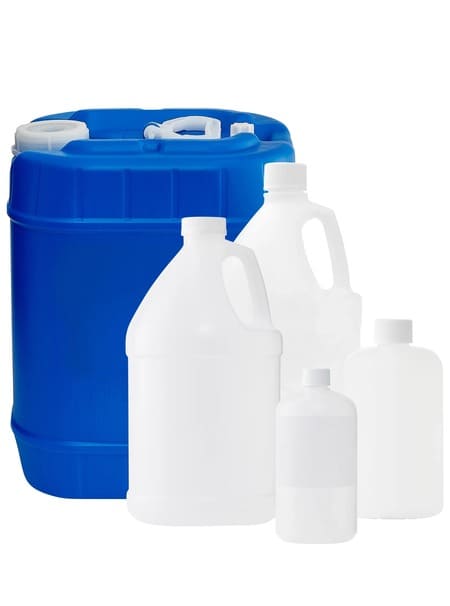
High-density polyethylene (HDPE), polypropylene (PP), stainless steel grades 304 and 316, and fiberglass-reinforced plastic (FRP) are all suitable for phosphoric acid storage. Aluminum, carbon steel, zinc, and copper should be avoided entirely, as these metals corrode rapidly on contact. Selecting the correct container material at intake prevents costly failures and contamination later in storage.
Sealing Requirements
Containers need tight-fitting, acid-resistant caps or bungs to prevent both moisture ingress and vapor release. Secondary containment trays or bins are recommended for all containers, regardless of size, to catch any leakage before it spreads. This is especially important in shared storage spaces where multiple chemical classes are present.
Labeling Requirements
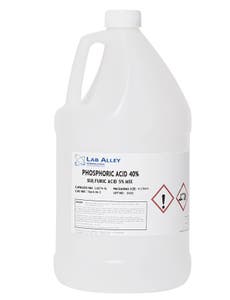
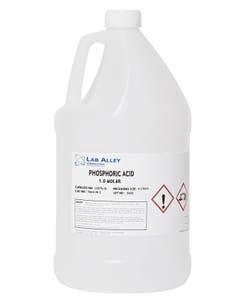
Every container must carry a GHS-compliant label that includes the corrosion pictogram. Labels should specify concentration, grade, lot number, date received, and a reference to the corresponding SDS. Consistent labeling supports both safety compliance and inventory tracking, particularly when multiple concentrations are stored in the same facility.
Bulk Storage
Bulk quantities are best stored in HDPE or FRP tanks, which resist the acid's corrosive effects over extended periods. Tanks require atmospheric venting to prevent pressure buildup, along with overflow containment and level indicators to monitor volume. These features reduce the risk of undetected leaks or tank overpressure during normal operation.
Segregation & Compatibility
Incompatible Substances
Phosphoric acid must be kept separate from several chemical classes that react with it unpredictably or violently. Strong bases generate significant heat on contact, while reactive metals can release hydrogen gas.
-
Strong bases (ammonia, sodium hydroxide)
-
Oxidizers
-
Reactive metals (zinc, magnesium, calcium)
-
Organic solvents
Storage Grouping
Phosphoric acid belongs in a dedicated corrosive acids cabinet or storage area, separated from bases, oxidizers, and flammable materials. Physical separation or compatible secondary containment satisfies this requirement in most facility layouts. Mixing corrosive acids with incompatible classes in the same cabinet, even temporarily, creates unnecessary reaction risk.
Flammability & Reactivity Precautions
Phosphoric acid itself is not flammable, but its reaction with certain metals can generate hydrogen gas, which is. Ignition sources should be kept away from areas where metal containers or fittings are in use near the acid. This precaution is often overlooked since the acid's primary hazard classification centers on corrosivity rather than flammability.
Safe Handling in Storage Areas
PPE Requirements
Personnel handling phosphoric acid in storage areas need chemical-resistant gloves made of butyl rubber or neoprene, along with splash-proof safety goggles. An acid-resistant apron or lab coat provides additional body protection during routine handling. Face shields become necessary for concentrated grades or bulk transfer operations, where splash risk is higher.
Transfer & Dispensing
Transfers should use HDPE or PP pumps and tubing, with metal fittings avoided due to corrosion risk. Pouring should be done slowly and deliberately to minimize splashing. Because the acid is non-flammable, grounding and bonding procedures required for flammable liquids do not apply here.
Spill Containment
Small spills can be neutralized using sodium bicarbonate or lime, followed by containment with acid-resistant absorbents such as vermiculite or dry sand. Sawdust and other organic materials should never be used, as they can react with the acid. Having pre-staged spill kits near storage areas allows for a faster response when leaks occur.
Emergency Equipment
An eyewash station and safety shower must be reachable within ten seconds of the work area, in line with standard practice for corrosive chemical handling. A Class B or ABC dry chemical fire extinguisher should be kept nearby as well, even though fire risk from the acid itself is secondary. This equipment should be inspected regularly to confirm it remains functional and accessible.
Regulatory Compliance & Labeling
OSHA Regulations
Facilities storing large quantities of phosphoric acid may fall under 29 CFR 1910.119, the Process Safety Management standard. Hazard communication, including labeling and SDS access, is governed by 29 CFR 1910.1200. Both regulations apply based on quantity and facility type, so storage planning should account for thresholds early.
GHS Requirements
Labels must display the corrosion pictogram (GHS05) and the signal word "Danger" for concentrations of 25% or higher. Hazard statements H290 and H314, covering corrosivity to metals and skin and eye burns, must appear on the label. These requirements apply consistently across grades once the concentration threshold is met.
NFPA & DOT
Phosphoric acid is classified under DOT hazard class 8 as a corrosive, with UN1805 assigned to the aqueous solution. NFPA 704 ratings for concentrated grades show Health 3, Flammability 0, and Reactivity 2. These ratings should be posted visibly wherever the acid is stored in bulk.
Industry-Specific Compliance
Food-grade phosphoric acid, used in beverages and food processing, must meet FDA 21 CFR requirements along with GMP documentation standards. Pharmaceutical-grade material is held to USP/EP compliance. Facilities handling multiple grades need separate documentation trails to avoid cross-contamination of compliance records.
SDS Requirements
A current SDS must remain accessible in the storage area at all times. SDS documents should be reviewed and updated according to supplier revision cycles. Recordkeeping for hazard communication follows OSHA 29 CFR 1910.1200(g), which requires accessible, up-to-date documentation for every hazardous chemical on site.
Environmental & Safety Considerations
Secondary Containment
Bulk storage requires secondary containment capable of holding 110% of the largest container's volume. This containment typically takes the form of a chemically resistant liner or concrete coated with an acid-resistant sealant. Proper sizing prevents a single tank failure from overwhelming the containment system.
Wastewater & Environmental Impact
Acidic discharges require pH adjustment, typically to a range of 6 to 9, before entering sewer systems. This falls under the EPA Clean Water Act, and local discharge permits may impose additional limits. Facilities should confirm permit requirements before routing any phosphoric acid waste to drain.
Electrical Equipment Standards
Explosion-proof electrical equipment is not required for phosphoric acid storage, since the acid itself does not present an explosive hazard. Standard corrosion-resistant electrical fittings are recommended instead, given the potential for acid mist in enclosed storage rooms. This distinction is worth noting, since it differs from requirements for flammable solvent storage.
Special Considerations
Concentration-Dependent Physical State
At 85% concentration, phosphoric acid becomes a viscous, near-solid syrup in cool temperatures. Facilities in cold climates may need to warm the material to 30 to 40°C for dispensing, using only approved heating methods. Improvised heating approaches risk uneven temperature distribution and container damage.
Polyphosphoric Acid Variants
Higher-grade or anhydrous forms, such as polyphosphoric acid, are significantly more reactive than standard H₃PO₄. These variants demand more stringent segregation, stricter handling protocols, and container materials capable of withstanding their increased reactivity. Facilities stocking both standard and polyphosphoric grades should maintain clear separation between the two in storage planning.
Key Takeaways
Storing phosphoric acid safely depends on selecting acid-compatible container materials, maintaining stable temperature and humidity conditions, and enforcing strict segregation from bases, reactive metals, and oxidizers. Labeling accuracy, secondary containment, and accessible emergency equipment round out the core requirements that keep storage areas compliant and safe for personnel.
Facilities handling multiple grades, particularly food, pharmaceutical, or polyphosphoric variants, should layer additional documentation and segregation practices on top of these baseline measures to meet both regulatory and product integrity standards.
For more detailed guidance, explore our Resource Library.
Our Customer Care team is also available for more information and documentation, including chemical Safety Data Sheets.
Need Phosphoric Acid You Can Trust?
If you are looking for high-quality phosphoric acid for your lab, product line, or research facility, be sure to visit our store to explore our trusted selection and request a quote.
As your trusted partner in chemical supply, Lab Alley is always striving to meet the growing demands of our customers. We want you to be able to access all of your chemical needs in one place, along with streamlined online ordering and fast shipping.
Due to popular demand from our valued clientele, Lab Alley's phosphoric acid is available in a range of purities and packaging options to suit various commercial, laboratory, and personal needs.