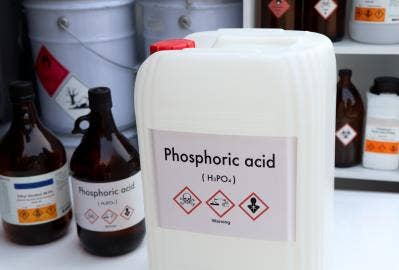






How to Safely Dispose of Phosphoric Acid
Phosphoric acid is a mineral acid used across fertilizer production, food processing, metal treatment, and laboratory work. Discarded phosphoric acid that has not been neutralized is classified as a hazardous waste under federal regulations, and improper disposal carries both environmental and worker safety consequences.
The acid's corrosive nature drives its regulatory standing. It carries the RCRA characteristic of corrosivity, meaning unneutralized waste must be managed under hazardous waste rules from generation through final disposal. Facilities storing it above certain thresholds also face emergency reporting obligations, adding a compliance layer beyond routine waste handling.


In this article, we'll explore:
-
Why Proper Disposal Matters
-
How to Dispose of Phosphoric Acid
-
Concentration-Dependent Corrosivity and Reactivity
-
Special Considerations
Why Proper Disposal Matters
Environmental Protection
Phosphoric acid discharged into water bodies lowers pH and disrupts aquatic life, while the phosphate content contributes to eutrophication. Excess phosphate loading drives algal blooms, which deplete dissolved oxygen and can lead to fish kills. Soil exposed to improper disposal acidifies, harming the microorganisms that support plant health and soil fertility.
Health & Safety
Concentrated phosphoric acid is corrosive to skin, eyes, and the respiratory tract, and contact can cause severe chemical burns. During disposal operations, mist or aerosol generation introduces an inhalation hazard that requires controls beyond standard handling precautions. These risks are highest during neutralization and container transfer, when splashing or off-gassing is more likely.
Legal Compliance
Unneutralized phosphoric acid carries the RCRA hazardous waste code D002 for corrosivity, which applies once the waste's pH falls at or below 2. This status triggers obligations under the Clean Water Act, which prohibits unpermitted discharge to navigable waters, and under SARA Title III reporting requirements for facilities storing the acid above threshold quantities. State and local wastewater authorities frequently impose additional discharge limits on top of these federal requirements.
How to Dispose of Phosphoric Acid
Check Regulations
Generators should first determine their status under federal waste generation rules, classified as a very small quantity generator, small quantity generator, or large quantity generator based on monthly waste volume. This classification determines storage time limits, recordkeeping obligations, and which disposal pathways are available. State environmental agencies may apply stricter standards than the federal baseline, so confirming local requirements before disposal is essential.
Confirm Neutralization
Neutralization is typically performed using sodium bicarbonate, sodium carbonate, calcium hydroxide, or dilute sodium hydroxide. The acid should be added slowly to the base solution while stirring continuously, never the reverse order, since reversing the addition increases splash and heat-release risk. The target endpoint is a pH between 6 and 9, confirmed continuously with a pH meter or test strips rather than estimated.
Use Designated Waste Disposal Methods
Non-Hazardous Disposal
Once phosphoric acid has been verified at a pH between 5 and 9, small quantities, typically laboratory-scale volumes, may be disposed of through the drain along with a substantial excess of water. This pathway is conditional on local wastewater treatment plant permits, and authorization should be confirmed before any drain disposal occurs. Larger volumes generally require prior approval from the receiving treatment facility regardless of pH.
Hazardous Waste Disposal
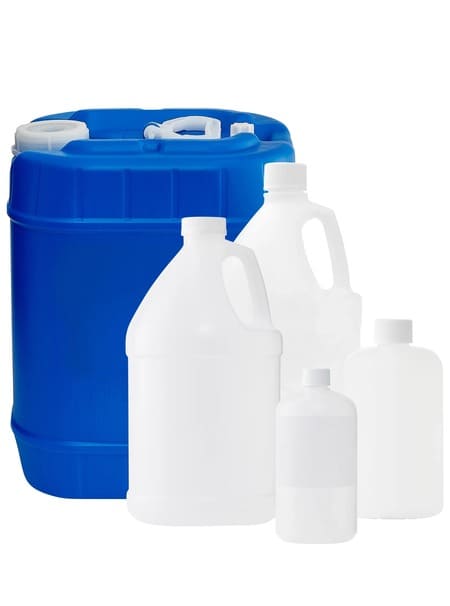
Phosphoric acid that has not been neutralized must be collected in closed, chemically resistant containers made of polyethylene, polypropylene, or high-density polyethylene. Containers require labeling with the waste contents, the applicable hazard, and the date accumulation began. Final disposal must go through a licensed hazardous waste contractor, with the shipment documented on a Uniform Hazardous Waste Manifest.
Industrial Quantities
Bulk waste phosphoric acid is sometimes recovered for reuse in fertilizer manufacturing or other industrial processes rather than being disposed of outright. Off-spec batches or spent process acid may qualify for reclamation under recycling provisions in federal hazardous waste regulations. Facilities generating large volumes should evaluate recovery options with a licensed recycler before defaulting to disposal.
Laboratory & Institutional Waste
Laboratory and institutional generators should collect phosphoric acid waste in labeled, chemically resistant containers and route it through the institution's environmental health and safety hazardous waste program. Consolidating it with other waste streams without first verifying chemical compatibility risks an unintended reaction. Institutional programs typically specify pickup schedules and container requirements that should be followed exactly.
Never Mix Chemicals
Phosphoric acid should never be combined with strong bases, since the reaction is exothermic and can release heat rapidly. Contact with reactive metals such as aluminum, iron, or zinc generates flammable hydrogen gas, and contact with strong oxidizers risks a violent reaction or toxic gas release. Cyanide compounds react with the acid to release hydrogen cyanide gas, and sodium tetrahydroborate reacts violently on contact. Mixing with nitromethane forms an explosive combination and must be avoided entirely.
Follow PPE Guidelines
Handling phosphoric acid waste requires heavy-duty gloves made of butyl rubber, neoprene, or nitrile, along with chemical splash goggles and a full-face shield. An acid-resistant apron and chemical-resistant boots provide additional body protection during transfer and neutralization. Where mist or aerosol exposure is possible, a NIOSH-approved full-face air-purifying respirator with an acid gas or mist cartridge is required, supported by adequate local exhaust ventilation. An eyewash station and safety shower should be accessible at the disposal location at all times.


Concentration-Dependent Corrosivity and Reactivity
High-Concentration Hazard
Concentrated phosphoric acid, at 85% or higher, is notably viscous and strongly corrosive, and it reacts exothermically when combined with water or with bases. Neutralizing material at this concentration demands a slow addition rate paired with continuous stirring and temperature monitoring, since heat buildup can cause spattering or, in closed vessels, pressure-related failure. Operators should treat concentrated batches with more caution than dilute solutions even when the neutralization chemistry is identical.
Reactivity with Metals
Phosphoric acid reacts with active metals, including aluminum and iron, to release hydrogen gas, which makes metal containers and funnels unsuitable for waste collection or transfer. Even corrosion-resistant grades of stainless steel and copper are vulnerable to attack from concentrated acid over time. Equipment selection for disposal operations should rely on plastic or other non-metallic materials wherever the acid will have sustained contact.
Special Considerations
Concentration-Dependent Classification
Dilute phosphoric acid solutions with a pH above 2 that do not corrode steel at the regulatory threshold rate may fall outside the corrosivity characteristic that defines hazardous waste status. This determination should not be assumed from concentration alone; it requires a documented waste determination, including pH verification, before a generator treats the material as non-hazardous. Skipping this step risks misclassifying waste that should otherwise be managed as hazardous.
Emergency Spill Disposal
Spills should be contained immediately to prevent entry into floor drains or waterways, then neutralized with sodium bicarbonate or lime before being collected with a non-combustible absorbent. Releases that exceed reportable quantity thresholds can trigger notification obligations to the National Response Center and to local emergency planning committees. Facilities should have spill response procedures in place beforehand, since reporting windows for these notifications are short.
Documentation
Records of waste determinations, hazardous waste manifests, and disposal receipts must be retained for a minimum of three years under federal recordkeeping requirements. Large quantity generators carry the added obligation of tracking accumulation start dates and complying with the storage time limits tied to their generator status. Consistent documentation supports both regulatory compliance and internal accountability if a waste stream is ever questioned.
Conclusion
Disposing of phosphoric acid safely depends on accurately assessing its concentration, volume, and regulatory classification before choosing a disposal route. Neutralization to a pH between 6 and 9 is often the deciding step, since it can shift small quantities from hazardous waste status into material eligible for drain disposal under local treatment plant rules, while larger or unneutralized volumes still require management as corrosive hazardous waste through a licensed contractor.
Reactivity with metals, strong bases, and cyanide compounds means mixing precautions must be enforced at every stage of collection and disposal. Consistent use of appropriate PPE, accurate waste determinations, and complete documentation are what keep phosphoric acid disposal both compliant and safe.
For more detailed guidance, explore our Resource Library
Our Customer Care team is also available for more information and documentation, including chemical Safety Data Sheets.
Need Phosphoric Acid You Can Trust?
If you are looking for high-quality phosphoric acid for your lab, product line, or research facility, be sure to visit our store to explore our trusted selection and request a quote.
As your trusted partner in chemical supply, Lab Alley is always striving to meet the growing demands of our customers. We want you to be able to access all of your chemical needs in one place, along with streamlined online ordering and fast shipping.
Due to popular demand from our valued clientele, Lab Alley's phosphoric acid is available in a range of purities and packaging options to suit various commercial, laboratory, and personal needs.