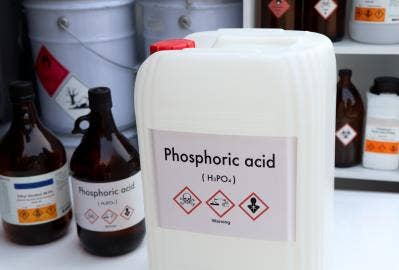






Phosphoric Acid Safety & Hazards
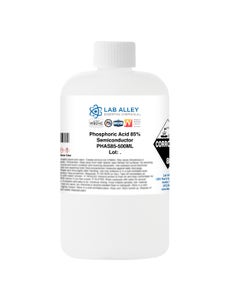
Phosphoric acid is a corrosive inorganic acid most commonly handled in laboratory and industrial settings as an 85% aqueous solution. Its hazard profile is defined by skin corrosion (Category 1B) and corrosivity to metals (Category 1), placing it firmly in the same handling category as other strong mineral acids despite its non-flammable nature.
The primary risks associated with phosphoric acid are severe skin and eye burns on contact, respiratory irritation from mists or heated vapors, and the generation of flammable hydrogen gas when the acid contacts reactive metals. Laboratory personnel, production and R&D staff, and safety officers handling this chemical at this concentration need to understand both the acute corrosive hazard and the secondary fire risk created by metal contact.
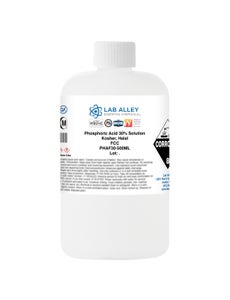
Phosphoric acid is available in multiple regulatory grades, including ACS reagent, FCC food grade, and technical grade. Each grade carries distinct compliance considerations depending on the intended application, from analytical laboratory use to food and beverage processing.
In this article, we'll explore:
-
Chemical Hazards Overview
-
Exposure Risks & Health Effects
-
First Aid Measures
-
Handling & Storage Precautions
-
Spill & Leak Procedures
-
Regulatory & Compliance Information
-
Technical Documents & References
Chemical Hazards Overview
Phosphoric acid's hazard classification centers on its corrosive action rather than flammability or reactivity, a profile confirmed across its GHS classification and NFPA rating.
-
Hazard Classification: Corrosive to metals (Category 1, H290); Skin corrosion (Category 1B, H314); Acute toxicity, oral (Category 4, H302)
-
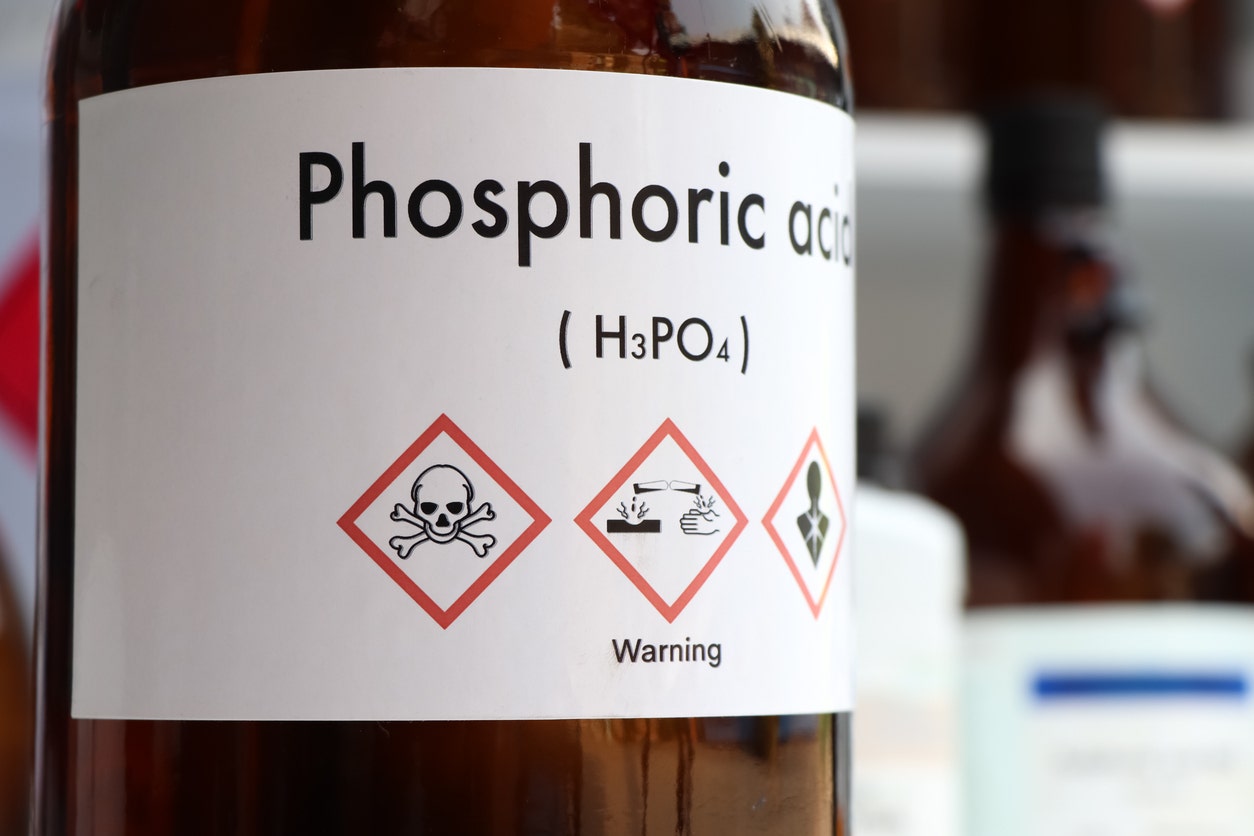
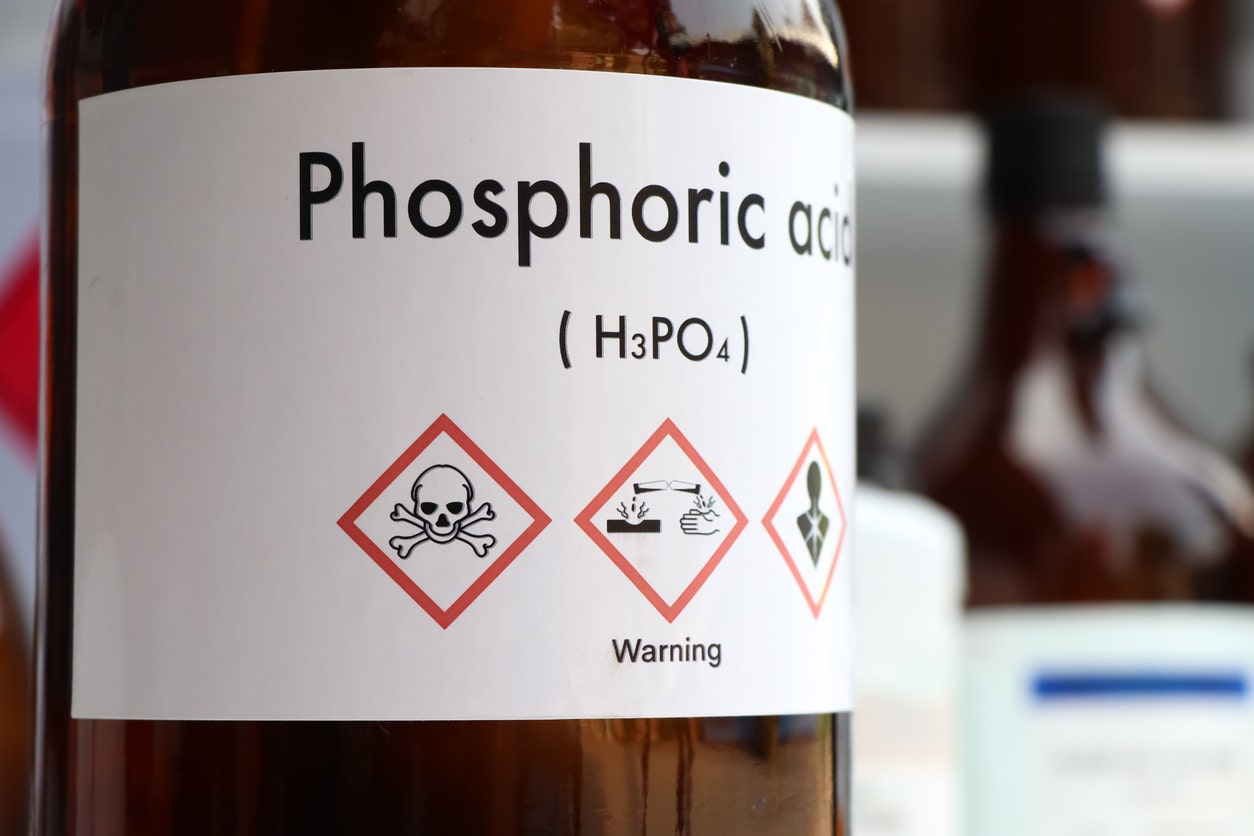
GHS Hazard Pictograms: ⚗️ GHS05 Corrosion; ❗ GHS07 Exclamation mark
-
NFPA Hazard Rating: Health: 3 / Flammability: 0 / Reactivity: 0
-
Primary Risks: Corrosive via skin and eye contact at concentrated forms; inhalation of mists or vapors causes respiratory irritation; ingestion causes burns to the GI tract
Hazard Classification
Phosphoric acid carries an H290 designation for corrosivity to metals and an H314 designation for skin corrosion, placing it in Category 1B, the classification reserved for substances that cause serious skin damage on contact. Its H302 rating for acute oral toxicity reflects a moderate ingestion hazard rather than a severe one, consistent with its oral rat LD50 value. These classifications apply most directly to concentrated forms such as the 85% solution, with hazard severity decreasing as concentration drops.
GHS Hazard Pictograms
The GHS05 corrosion pictogram signals the skin and eye burn risk that defines this chemical's primary hazard. The GHS07 exclamation mark pictogram covers the secondary, lower-severity hazards, including the acute oral toxicity classification. Both pictograms must appear on container labeling for concentrated phosphoric acid regardless of grade.
NFPA Hazard Rating
The NFPA 704 rating of Health 3, Flammability 0, Reactivity 0 reflects a chemical that poses a serious short-term health hazard on contact but presents no fire or explosion risk under normal storage conditions. The Health rating of 3 indicates that short exposure could cause serious temporary or residual injury, consistent with the corrosive burn potential. The zero ratings for flammability and reactivity confirm that phosphoric acid itself will not ignite or undergo violent self-reaction.
Primary Risks
The dominant exposure routes are dermal and ocular contact, both of which produce corrosive burns at higher concentrations. Inhalation risk is limited under normal handling because phosphoric acid has very low vapor pressure, but mists generated during transfer or spraying operations can irritate the respiratory tract. Ingestion, while less common in industrial settings, causes burns to the mouth, throat, and gastrointestinal tract and is classified as harmful under GHS Category 4.
Exposure Risks & Health Effects
Inhalation Risks
Phosphoric acid has a vapor pressure of only 0.03 mmHg at 20°C, which significantly limits the formation of vapor under ambient conditions. The primary inhalation hazard instead comes from mists or aerosols generated during pouring, mixing, or heating operations. Exposure to these mists irritates the nose, throat, and lungs, producing symptoms such as coughing and throat irritation. At higher exposure levels, inhalation can lead to pulmonary edema, a fluid buildup in the lungs that constitutes a medical emergency requiring immediate attention.
Skin Contact Risks
Concentrated phosphoric acid solutions at or above 85% cause severe corrosive burns on contact, consistent with the Category 1B skin corrosion classification. Lower concentration solutions still irritate and can lead to drying and cracking of the skin with prolonged or repeated exposure. The severity of skin injury scales directly with both concentration and contact duration, making immediate decontamination critical regardless of the apparent dilution of the solution involved.
Eye Contact Risks
Eye contact with phosphoric acid causes severe burns and carries a real risk of permanent damage, including scarring of the cornea in cases of prolonged exposure before irrigation. This risk increases proportionally with concentration, with the 85% solution presenting the greatest threat to ocular tissue. Because eye tissue lacks the protective buffering capacity of skin, even brief contact with concentrated solution can produce lasting injury if not addressed within seconds.
Ingestion Risks
The oral rat LD50 for phosphoric acid is 1,530 mg/kg, placing it in the moderate toxicity range that corresponds to its Category 4 acute oral toxicity classification. Ingestion causes direct chemical burns to the mouth, throat, and gastrointestinal tract rather than systemic poisoning and is considered harmful if swallowed. The corrosive injury to GI tissue is the primary concern in ingestion cases, distinct from the toxicity mechanisms seen with substances that cause harm through metabolic or systemic pathways.
Chronic Effects
Phosphoric acid is not classified as a carcinogen by IARC, NTP, ACGIH, or OSHA, and no chronic cancer hazard has been established through animal or human studies. The principal long-term concern with repeated exposure is dermatological: extended or repeated skin contact, even at sub-corrosive concentrations, can produce chronic drying and cracking of exposed skin over time. No other organ-specific chronic effects have been established for this chemical at the exposure levels typically encountered in laboratory or industrial settings.
First Aid Procedures
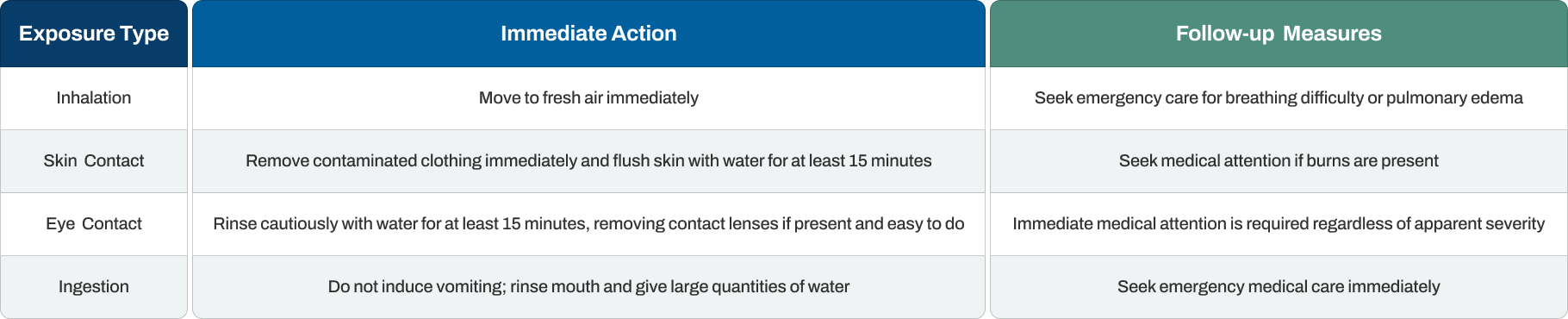
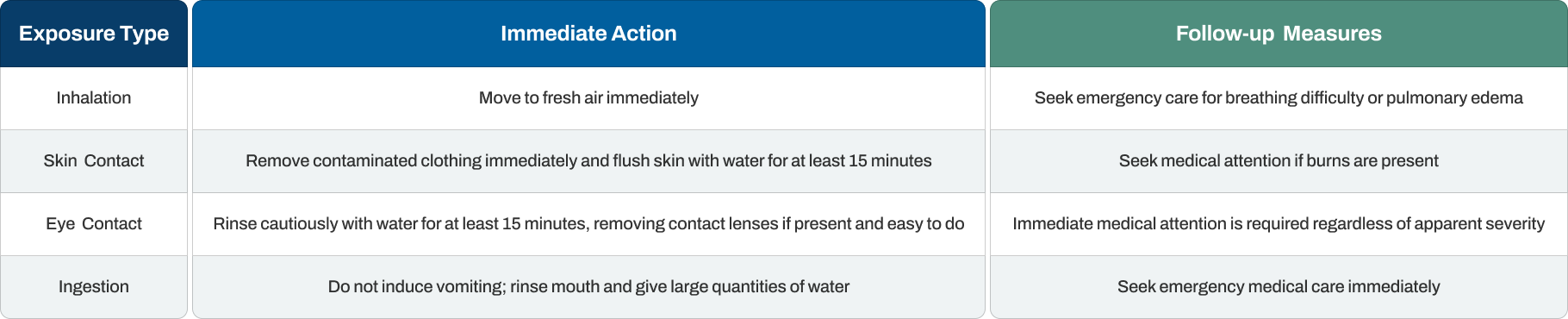
Flushing duration matters more than flushing technique in every contact scenario involving phosphoric acid; cutting irrigation short to seek transport increases injury severity. Responders should remove contaminated clothing and jewelry promptly to prevent continued exposure to acid trapped against the skin. Eye and skin contact cases should be treated as medical emergencies even when initial pain appears mild, since corrosive injury can progress after the initial exposure.
Handling & Storage Precautions
Safe handling of phosphoric acid depends on consistent PPE use and storage conditions that prevent both spills and corrosive degradation of containment.
-
Safe Handling Procedures: Wear acid-resistant gloves made of neoprene or nitrile, chemical splash goggles, and a face shield when handling concentrated solutions. Work in a well-ventilated area or under local exhaust ventilation to limit mist exposure. Avoid procedures that generate mists or aerosols, such as forceful pouring or spraying.
-
Storage Conditions: Store in a cool, dry, well-ventilated area away from heat sources. Use tightly closed, corrosion-resistant containers such as polypropylene or properly lined steel to prevent container degradation over time.
Incompatible substances require separate storage and handling protocols to avoid hazardous reactions:
-
Metals, which react to form flammable and explosive hydrogen gas
-
Strong bases, which react exothermically
-
Alcohols, amines, epoxides, and metal salts
-
Organic peroxides and nitromethane, which can form explosive mixtures
Spill & Leak Procedures
Response to a phosphoric acid spill follows a sequence built around containment, neutralization, and proper disposal rather than rapid cleanup alone.
Emergency response steps should be followed in order:
-
Evacuate non-essential personnel from the immediate area.
-
Don acid-resistant PPE, including gloves and goggles, adding respiratory protection if mist is present.
-
Prevent the spill from entering floor drains or waterways.
Containment relies on absorbent material rather than direct washing. Small spills should be absorbed with inert material such as vermiculite, sand, or dry earth, then placed into labeled, sealed waste containers. Adequate ventilation should be maintained throughout containment, and neutralization with dilute sodium bicarbonate or lime may be appropriate where local regulations permit this step before disposal.
Proper disposal treats spill residue and waste acid as hazardous material under EPA classification D002. Waste should be neutralized to a pH between 6 and 8 before disposal where regulations allow, and disposal should proceed through a licensed hazardous waste contractor. The Clean Water Act reportable quantity for phosphoric acid is 5,000 pounds, a threshold that determines reporting obligations for larger spill events.
Regulatory Information & Compliance
OSHA Regulations
OSHA has established a Permissible Exposure Limit of 1 mg/m³ as a time-weighted average for phosphoric acid, matching the ACGIH Threshold Limit Value of 1 mg/m³ TWA with a short-term exposure limit of 3 mg/m³. Phosphoric acid is regulated under the Hazard Communication Standard, 29 CFR 1910.1200, which governs labeling and safety data sheet requirements for hazardous chemicals in the workplace.
EPA & Environmental Impact
Phosphoric acid is listed as a CERCLA hazardous substance with a reportable quantity of 5,000 pounds and is also designated a hazardous substance under the Clean Water Act. It is not subject to SARA Section 313 reporting requirements. Acidic releases into water bodies can shift pH and affect aquatic organisms, making environmental release a regulatory and ecological concern even though phosphoric acid is not classified as a persistent or bioaccumulative toxic substance.
DOT Transportation Regulations
Phosphoric acid solutions are regulated under DOT Hazard Class 8 (Corrosive) and assigned UN number 1805 with Packing Group III, indicating minor transport danger relative to other Class 8 materials. The proper shipping name is Phosphoric Acid Solution, and packaging requirements are specified under 49 CFR 173.136.
FDA/USP/ACS Compliance
Phosphoric acid is available in FCC (Food Chemicals Codex) grade for use as a food and beverage additive, in ACS reagent grade for analytical and laboratory applications, and in technical grade for industrial use. Grade selection should match the intended application, since food-contact uses require FCC compliance documentation that technical grade material does not carry.
Technical Documents & Resources
-
Safety Data Sheets are available for all grades and concentrations of phosphoric acid; SDSs cover safe handling procedures, exposure limits, first aid measures, and storage and disposal requirements.
-
Certificates of Analysis are available upon request for applicable grades; COAs verify purity and confirm compliance with ACS, FCC, or other relevant grade standards.
Final Note
Phosphoric acid's hazard profile is defined by corrosivity rather than flammability, making PPE compliance and proper storage the two most critical controls for safe handling. Its reactivity with metals, low chronic toxicity profile, and well-documented regulatory limits give safety officers clear parameters for risk management across laboratory and industrial settings. Selecting the correct grade for the intended application, whether FCC, ACS, or technical, ensures both safety and regulatory compliance from procurement through use.
Explore our Resource Library for more information.
Our Customer Care team is also available for more information and documentation, including chemical Safety Data Sheets.
Need Phosphoric Acid You Can Trust?
If you are looking for high-quality phosphoric acid for your lab, product line, or research facility, be sure to visit our store to explore our trusted selection and request a quote.
As your trusted partner in chemical supply, Lab Alley is always striving to meet the growing demands of our customers. We want you to be able to access all of your chemical needs in one place, along with streamlined online ordering and fast shipping.
Due to popular demand from our valued clientele, Lab Alley's phosphoric acid is available in a range of purities and packaging options to suit various commercial, laboratory, and personal needs.